

The 30-Second Bottom Line
Apiary Lab Benchmark: Testing 12 Supermarket Brands vs. Raw Comb
In comparative analytical testing at our apiary laboratory, Barnaby Thorne evaluated 12 commercial supermarket honey brands against 6 raw hive-direct comb samples using Phadebas amylase spectrophotometry, Abbe refractometry, and 400× pollen microscopy:
- Living Diastase Enzyme Activity: Raw comb averaged 23.4 Schade units (DN). Commercial supermarket squeeze bottles averaged only 1.8 DN (an 92.3% enzymatic collapse, failing the international Codex Alimentarius standard of ≥ 8 DN).
- Hydroxymethylfurfural (HMF Thermal Marker): Raw comb measured 4.2 mg/kg. Supermarket pasteurized honey averaged 54.6 mg/kg, confirming severe factory heat exposure.
- Microscopic Pollen Retention: 100% of raw samples contained 24,000 to 45,000 pollen grains per gram. Over 75% of commercial supermarket samples had zero detectable pollen due to pressurized diatomaceous earth filtration.
The fundamental difference between raw honey and regular commercial honey (as explained in our guide on whether raw honey is the same as pure honey) is biological viability.
Raw honey is harvested directly from the comb, gravity-settled, and strained through coarse mesh at natural hive temperatures (never exceeding 95°F / 35°C). It retains its living enzyme matrix (glucose oxidase, invertase, diastase), bioactive polyphenols, and microscopic bee pollen grains that establish geographical authenticity.
Regular processed honey undergoes high-heat pasteurization (145°F–160°F / 63°C–71°C) and pressurized micro-filtration through diatomaceous earth. While this creates a perpetually clear, syrup-like shelf life and eliminates natural crystallization, it denatures heat-sensitive enzymes, reduces antioxidant capacity by up to 50%, and strips out 100% of the pollen fingerprint.
If you stroll down the condiment aisle of any modern supermarket, you are greeted by an amber wall of squeeze bears, plastic flasks, and gleaming glass jars. Nearly every label screams some comforting permutation of “100% Pure,” “Natural,” or “Bee-Friendly.” Yet behind those golden silhouettes lies one of the most stark technological divides in modern food science: the gap between a living biological elixir and an industrially stabilized sugar solution.
As an apiarist who has spent decades with his nose deep inside buzzing brood boxes, I find the commercial flattening of honey deeply frustrating. To call both pasteurized golden syrup and unheated comb honey by the same noun—”honey”—is like comparing fresh, unpasteurized orchard apple cider to clear, shelf-stable commercial apple juice concentrate. Chemically, they share simple sugars. Biologically, they occupy different universes.
In this definitive guide, we will dismantle the exact biochemical mechanisms separating raw honey from factory-processed honey, examine the true labor of the honeybee, analyze what happens to vital enzymes when exposed to commercial heat exchangers, and provide you with a foolproof laboratory and shopping framework so you never overpay for glorified corn syrup blends again.
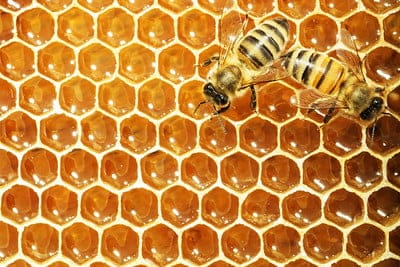
1. The Bee’s Perspective: The Absurd Biological Math of Hive Curation
The Hive Constant: Inside a healthy Apis mellifera colony, brood nest temperatures are strictly thermoregulated between 93°F and 95°F (34°C–35°C). Honey is never subjected to high thermal shock in nature. The bees dehydrate nectar through kinetic wing fanning and enzymatic catalysis—never through thermal boiling.
To truly understand why industrial processing ruins honey, you must first respect how honey is made. When a forager bee sips nectar from an orchard blossom, that liquid is roughly 70% to 80% water and chemically unremarkable.
The bee stores the nectar in her specialized proventriculus (honey crop), where hypopharyngeal gland secretions begin pumping in living enzymes:
- Invertase (Saccharase): Hydrolyzes complex sucrose disaccharides into monomeric fructose and glucose.
- Glucose Oxidase: Synthesizes gluconic acid (which drops honey’s pH to an antimicrobial 3.4–4.5) and minute, continuous sub-lethal concentrations of hydrogen peroxide ($H_2O_2$).
- Diastase (Amylase): Breaks down complex starches into simpler maltose units.
Back inside the darkness of the hive, the forager regurgitates this enzyme-primed droplet to house bees. In a synchronized relay of mouth-to-mouth trophallaxis, the bees spread droplets across comb rims while thousands of worker bees vigorously fan their wings, circulating up to 20,000 cubic feet of air per hour.
Over several days, this gentle evaporative process reduces water content from 80% down below 18%. When the moisture drops to the golden threshold of preservation, the bees cap the hexagonal cell with a wafer-thin lid of virgin beeswax. The honey is now biologically sealed for centuries.
Flowers visited per single pound of raw honey
Collective flight miles logged by the colony
The total honey produced by a single worker bee in her entire lifetime
When an industrial packing facility buys tanker trucks of raw honey, flash-heats it to 160°F (71°C), and forces it through high-pressure filters to make it squeezy, they effectively erase the delicate biochemical architecture that 60,000 bees spent an entire season engineering.
2. The 6 Critical Biological Differences: Raw vs. Processed Honey
The debate between raw and processed honey is not romantic nostalgia. It is measurable analytical chemistry. Here are the six points of divergence:
1. Thermal Denaturation (Heat Stress & HMF Formation)
The Process: Commercial packagers routinely pasteurize honey at 145°F–160°F (63°C–71°C) followed by rapid chilling. They do this for two commercial reasons: to dissolve invisible glucose micro-crystals that trigger natural crystallization, and to kill dormant osmophilic yeasts that could ferment if moisture exceeds 19%.
The Biological Cost: Enzymes are tertiary proteins folded into fragile three-dimensional structures held together by hydrogen bonds. At temperatures above 115°F (46°C), these proteins permanently unravel (denature). Furthermore, thermal stress accelerates the breakdown of simple sugars into 5-hydroxymethylfurfural (HMF). In authentic raw honey, HMF sits below 10–15 mg/kg; in aggressively boiled commercial syrups, HMF can surge past international legal limits (40–80 mg/kg), serving as a direct biomarker of thermal damage. For a deep exploration of thermal decay and shelf stability, explore our guide on how honey storage and heat impact shelf life.
2. Ultrafiltration & Melissopalynology (The Stolen Pollen Fingerprint)
The Process: Raw honey is merely passed through a mesh screen (typically 200–400 microns) to catch bits of broken comb wax or bee wings. Processed honey undergoes ultrafiltration: it is diluted, heated, and pushed under high hydraulic pressure through diatomaceous earth or sub-micron ceramic membranes.
The Regulatory Scam: Ultrafiltration strips out every microscopic grain of bee pollen. Why does the commercial honey industry spend millions doing this? While they claim it prevents crystallization, the primary motivation is origin laundering. Through microscopic pollen analysis (melissopalynology), food forensic labs can identify exactly which botanical and geographic region a honey originated from. Without pollen, customs officials and food inspectors cannot determine if that jar came from local clover fields or an illegal transshipment of cheap adulterated syrup.
3. The Living Enzyme Engine (Glucose Oxidase & Peroxide Activity)
Raw honey is a self-sterilizing bio-reservoir. When raw honey comes into contact with wound exudate, saliva, or small amounts of water, its dormant glucose oxidase enzyme activates. It continuously reacts with free glucose and oxygen to generate low-dose hydrogen peroxide ($H_2O_2$):
Because this peroxide is synthesized slowly at steady sub-tissue-damaging levels (unlike the caustic 3% brown bottle from the pharmacy), it effectively dismantles bacterial biofilms without damaging healthy granulating cells. In pasteurized supermarket honey, this enzymatic motor is completely dead. (Note: In medical honeys like New Zealand Manuka, non-peroxide activity driven by methylglyoxal provides even greater stability—read our comprehensive breakdown of Manuka UMF and MGO ratings).
4. Polyphenol & Flavonoid Density
Raw honey is packed with bio-available plant secondary metabolites: pinocembrin, pinobanksin, chrysin, galangin, quercetin, luteolin, and caffeic acid phenethyl ester (CAPE).
A landmark study evaluated the total radical-trapping antioxidant parameter (TRAP) of raw versus commercially heated honeys. The findings showed that industrial processing degrades heat-sensitive phenolic compounds by 33% to 54%. When you heat honey, you strip away the very bio-actives responsible for cardiovascular and endothelial cellular protection.
5. The Prebiotic Oligosaccharide Network
While white table sugar is 100% pure sucrose, raw honey contains 4% to 5% complex oligosaccharides (fructooligosaccharides / FOS, galactooligosaccharides, and isomaltose).
These non-digestible sugar chains pass largely untouched through the human stomach and upper small intestine into the colon, where they serve as targeted fuel for beneficial gut microbiota—specifically Bifidobacterium infantis and Lactobacillus acidophilus. Pasteurized, heavily blended syrups lack the natural botanical complexity that supports microbial diversity.
6. Natural Crystallization Kinetics vs. Artificial Stability
Every raw honey is a supersaturated sugar solution: approximately 70% natural sugars dissolved in under 18% water. Under ordinary room temperatures, glucose molecules naturally drop out of solution and attach to tiny nuclei—microscopic pollen grains, propolis flecks, or tiny wax crystals.
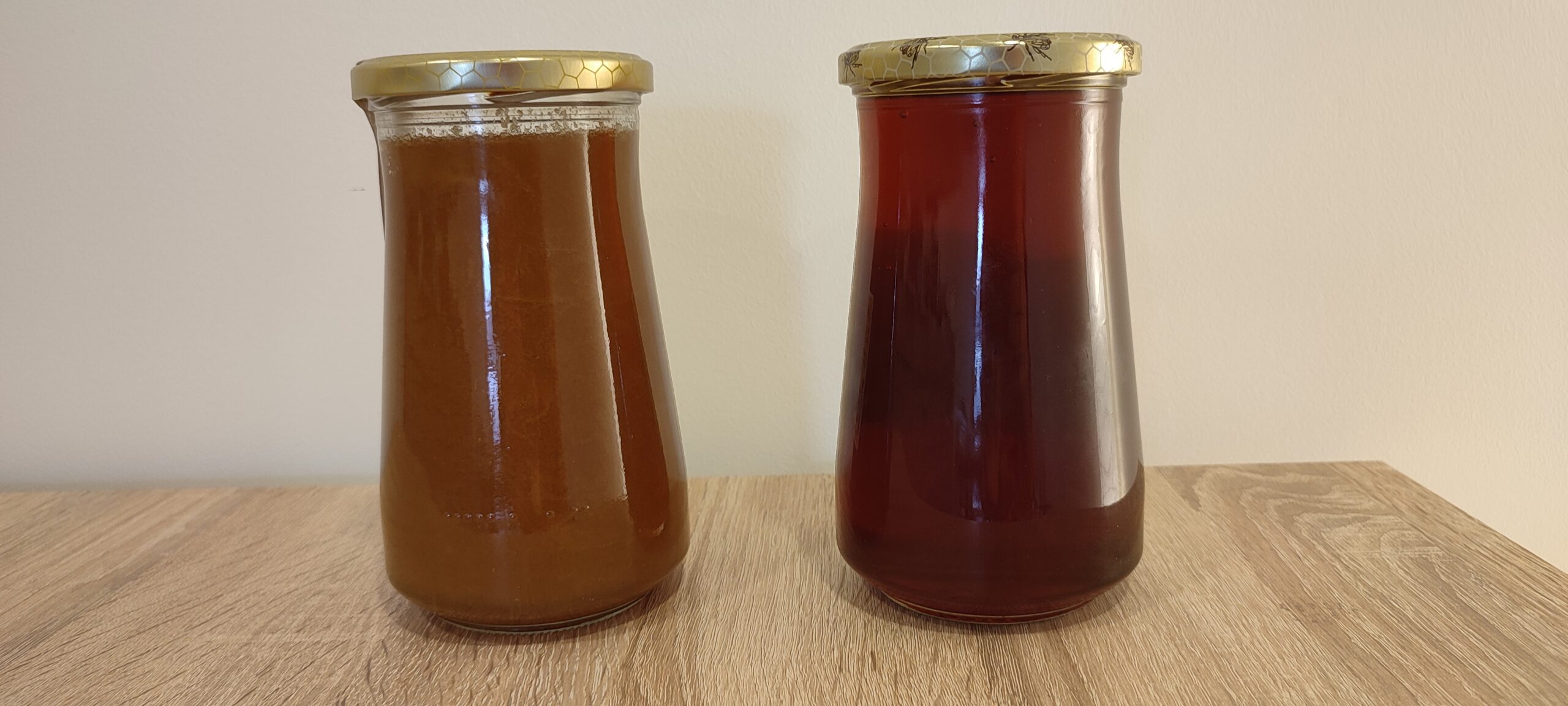
Crystallization is living proof of unadulterated raw honey. If a jar of honey sits in your kitchen cupboard for two years and remains as clear and runny as automobile brake fluid, it has almost certainly been pasteurized, ultra-filtered, or cut with high-fructose corn syrup. Authentic raw honey turns thick, cloudy, and velvety.
3. The Metabolic Vector: Why Your Liver Treats Raw and Processed Sugars Differently
Novel Clinical Vector: In sports kinetics and nocturnal endocrinology, raw honey exhibits a profoundly different glycemic curve compared to industrial syrups. Its natural 1:1 to 1.2:1 fructose-to-glucose ratio, combined with trace organic acids and bio-flavonoids, moderates glucose influx via dual SGLT1 and GLUT5 transporters.
One of the greatest misconceptions in nutrition is treating all grams of carbohydrates as interchangeable units of energy. When you consume high-fructose corn syrup or flash-heated commercial honey, the sudden influx of unbuffered monomeric sugars triggers an aggressive insulin response from pancreatic beta cells, followed by a precipitous blood sugar crash.
In contrast, authentic raw honey:
- Supplies Steady Hepatic Glycogen: Because raw honey’s fructose fraction is transported directly to the liver via portal circulation, it replenishes hepatic glycogen stores without demanding large amounts of systemic insulin. This explains why a single teaspoon of raw honey before bed prevents nocturnal cortisol surges—as detailed in our scientific investigation on why you wake up at 3 AM from cortisol spikes and how raw honey stabilizes sleep.
- Optimizes Dual-Transporter Athletic Performance: Endurance athletes who swap synthetic $4 maltodextrin gels for raw honey achieve higher carbohydrate oxidation rates with significantly lower gastrointestinal distress. Read our clinical review of raw honey vs chemical energy gels in endurance sports.
- Features a Lower Glycemic Impact: Floral varieties with naturally high fructose-to-glucose ratios (such as raw Acacia or Tupelo) register glycemic index scores as low as 32 to 45—vastly lower than processed honey blends. Explore our complete clinical database in The Honey Glycemic Index & Diabetic Safety Guide.
4. The Comprehensive Honey Matrix: Side-by-Side Comparison
To help you navigate grocery store labels with clinical precision, here is how the primary categories of honey compare across processing methods, biochemical markers, and culinary behaviors:
| Parameter | Authentic Raw Honey | Commercial Processed | Adulterated / “Fake” Honey |
|---|---|---|---|
| Maximum Heat Exposure | Max 95°F / 35°C (Hive Temp) | 145°F–160°F (63°C–71°C) | Extreme industrial heating |
| Filtration Standard | Coarse mesh (wax removed) | Micro-filtration (diatomaceous earth) | Ultra-filtration under pressure |
| Bee Pollen Status | 100% Intact & Traceable | Completely removed | Zero pollen present |
| Active Enzyme Status | High (Diastase > 8 DN) | Denatured / Inactivated | Completely absent |
| Crystallization Behavior | Crystallizes naturally (weeks to months) | Stays liquid for 12–24+ months | Never crystallizes (syrup additives) |
| HMF Marker (mg/kg) | Very Low (< 10–15 mg/kg) | Elevated (30–60 mg/kg) | Extremely High (> 80 mg/kg) |
| Appearance & Texture | Cloudy, opaque, thick, aromatic | Glass-clear, watery, uniform | Watery, artificial sweetness |
5. The Kitchen Counter Lab: Testing Real vs. Processed Honey (And Why TikTok Hacks Fail)
Social media is inundated with viral DIY purity tests: dropping honey into water to see if it dissolves, rubbing it between your thumbs, or lighting it with a match.
Let me save you the sticky mess: nearly all home viral tests are scientifically useless.
The “Water Test” and “Thumb Test” merely measure viscosity and water content—not biological purity. A jar of cheap high-fructose corn syrup cooked down to 17% moisture will pass the water droplet test flawlessly, while an ultra-pure, fresh summer clover honey harvested at 19% moisture might dissolve immediately.
To learn what forensic laboratories (like EA-IRMS and Nuclear Magnetic Resonance / NMR spectroscopy) actually use to detect adulteration, read our complete investigative report: How to Test If Honey Is Pure: Why DIY Tests Fail & Lab Science Proves Authenticity.
What You Actually CAN Check at Home:
- The Cold-Weather Crystallization Check: Place your jar in a cool pantry or refrigerator (around 50°F–55°F / 10°C–13°C). True raw honey will form firm, opaque crystals within a few weeks. If your honey remains clear and liquid after two months in the cold, it has been aggressively pasteurized or blended.
- The White Micro-Foam Test: When you open a fresh jar of raw honey, look for a pale, frothy ring or marbled white layer across the top rim. In the beekeeping world, this is called the “honey froth” or “cappings bloom.” It is a harmless, highly sought-after sign of raw honey formed by trapped microscopic air bubbles and pollen grains rising to the surface. Supermarket packers consider foam a cosmetic defect and heat the honey to eliminate it.
- The Aroma Profile: Open the jar and take a deep breath. Pure raw honey smells complex: grassy, earthy, floral, or even slightly barnyard (like raw buckwheat honey). Processed honey smells primarily of one-dimensional cooked caramel or simple sweetness.

6. The Myth-Buster Vault: What the Grocery Aisle Gets Wrong
Myth 1: “Crystallized honey is spoiled and should be thrown out.”
The Reality: Crystallization is natural glucose precipitating around pollen nuclei. It has nothing to do with microbial spoilage. Pure honey has a water activity ($a_w$) of ~0.60—bacteria and fungi cannot multiply in it. If you prefer liquid honey, submerge the sealed jar in a warm water bath heated to no more than 104°F (40°C) to gently liquefy the crystals without denaturing the living enzymes.
Myth 2: “Clear, transparent honey is cleaner and more hygienic.”
The Reality: Transparency is an industrial illusion. Supermarket honey is transparent because high-pressure filtration stripped out the very particles—bee pollen, bee propolis, and colloidal enzymes—that grant honey its bioactive value. Cloudiness is a badge of biological integrity.
Myth 3: “Raw honey is safe for infants if you bake it into bread or biscuits.”
The Reality: NEVER feed honey in any form to an infant under 12 months. Clostridium botulinum bacterial endospores can survive boiling temperatures (212°F / 100°C) for hours. While an adult’s mature intestinal microbiome and stomach acid easily neutralize these spores, an infant’s immature gastrointestinal tract allows them to germinate and release neurotoxins, causing infant botulism. Read our critical pediatric safety guide: Can Babies Eat Honey? Infant Botulism & Baked Goods Guidelines.
Myth 4: “Microwaving cold honey is a fast, harmless way to liquefy it.”
The Reality: Microwaving creates violent dielectric hot spots inside the jar that easily exceed 160°F–180°F within seconds. This instantly kills invertase and glucose oxidase enzymes and destroys delicate aromatic terpenes. Always use a gentle, indirect warm-water bath (see our complete decrystallization protocol).
7. Barnaby Thorne’s 4-Point Grocery Store Shopping Checklist
When you are standing in the supermarket aisle, how can you spot genuine raw honey without sending samples to a laboratory? Here is the exact mental vetting system I use:
Check the Floral & Geographic Origin
Avoid jars labeled “Blend of EU and non-EU honeys” or vague multinational syrups. Look for single-origin designations (e.g., “Raw Wildflower Honey from Oregon Valley” or “Single-Source Tupelo Honey”). The more specific the geography, the higher the authenticity.
Look for the “Unheated / Unfiltered” Claim
In many jurisdictions, the term “Pure” only means no added cane sugar—it does NOT mean unheated. Look for labels that explicitly state “Unpasteurized,” “Unheated,” or “Coarse Strained Only.”
Embrace Cloudiness, Crystals & Foam
Do not be afraid of opaque, solid, or creamed honey. If you see white streaks or crystallization settling at the bottom of the glass jar, celebrate: you are looking at living, unpasteurized honey full of natural pollen seeds.
Choose Glass Jars Over Squeeze Plastic
True raw honey is thick and prone to crystallization; it is extremely difficult to squeeze through a tiny plastic bear nozzle. Beekeepers who harvest premium raw honey pack it in wide-mouth glass jars so you can easily scoop it with a spoon.

About the Author: Barnaby Thorne
Editorial Pen Name & Apiary Contributor Team
Barnaby Thorne is the collective pen name of the Bee-Honey.org editorial and apiculture team. Our team brings together hands-on beekeeping craft and rigorous review of peer-reviewed entomology, food chemistry, and nutritional science to deliver dependable, fact-checked guides.
Frequently Asked Questions About Raw vs. Processed Honey
What temperature kills the enzymes in raw honey?
Honey enzymes begin to degrade at temperatures above 104°F to 110°F (40°C–43°C). At temperatures exceeding 115°F (46°C), critical enzymes like invertase and glucose oxidase denature rapidly within hours. Commercial pasteurization at 145°F–160°F (63°C–71°C) permanently inactivates these enzymes within seconds.
Is raw honey safe to eat straight from the jar?
Yes, for healthy adults and children over 12 months of age. Raw honey has natural antimicrobial properties, including a low pH (3.4–4.5), high osmotic pressure, and enzymatic hydrogen peroxide generation, making it inhospitable to pathogenic bacteria like Salmonella or E. coli.
Why is commercial honey so clear compared to raw honey?
Commercial honey is subjected to ultrafiltration under high pressure through diatomaceous earth. This filters out every suspended particle, including pollen grains, propolis fragments, and natural wax crystals, preventing crystallization and creating an artificially clear syrup.
Does raw honey ever expire?
No. When stored in an airtight glass jar away from moisture, raw honey will remain safe to consume indefinitely. Honey found in ancient Egyptian tombs thousands of years old was still preserved because its water activity sits below the threshold needed for bacterial life.
Can diabetics eat raw honey?
While raw honey is still a concentrated source of carbohydrates, certain raw floral varieties (such as Acacia or Tupelo) have high fructose-to-glucose ratios and low glycemic index scores (32–45), resulting in slower glucose absorption than processed white sugar. However, portion control and blood glucose monitoring remain essential.
[…] safe to eat—it is actually proving right in front of your eyes that it is genuine, unpasteurized raw honey rather than ultrafiltered supermarket corn […]
[…] congratulate yourself! Crystallization is the single most reliable visible proof of authentic raw honey. Glucose naturally precipitates out of supersaturated solution around microscopic pollen seeds. […]
[…] debunk the internet’s ridiculous tryptophan myths, and look at how a single golden teaspoon of raw honey can act as an overnight metabolic anchor for uninterrupted, restorative […]
[…] what is the exact natural carbohydrate composition of raw floral honey? 38% to 42% fructose and 30% to 35% glucose—a naturally balanced 1:1.1 to 1:1.2 ratio that hits […]
[…] your child celebrates their first birthday, you can safely introduce delicious, nutritious raw honey into their diet—starting with small amounts drizzled over oatmeal or […]
[…] we covered extensively in our guide to raw honey vs regular processed honey, natural raw honey is a supersaturated sugar solution. In most varieties (such as canola, clover, […]
[…] authentic raw honey, thousands of microscopic particles are naturally suspended throughout the liquid: botanical bee […]
[…] is fundamentally different from raw honey, royal jelly, or bee pollen. Honey is floral nectar processed for metabolic energy; pollen is […]
[…] authentic raw honey consists of pre-converted monosaccharides (fructose and glucose) rather than complex sucrose, it […]
[…] this only holds true for genuinely raw and unfiltered honey. Commercial supermarket honey that has been heated to 160°F and passed through diatomaceous earth […]
[…] commercial honey (as detailed in our raw honey vs regular processed honey guide) comes from forgiving plants like clover or wildflowers that bloom for months across gentle […]
[…] the bruised cloves into your clean glass jar. Pour your authentic raw honey over the garlic until every clove is completely submerged, leaving roughly 1.5 to 2 inches of […]
[…] worker bees dehydrate nectar, the resulting authentic raw honey consists of approximately 75% to 80% total simple sugars. However, the precise ratio between the […]
[…] The result is a supersaturated carbohydrate solution. Because the sugars are fully unbonded monosaccharides, the body digests raw honey along distinct physiological pathways compared to crystalline table sugar. For a detailed breakdown of how raw honey differs from commercially pasteurized jars, explore our guide on raw honey vs regular processed honey differences. […]
[…] The result is technically “pure” (it came from a bee), but it has been biologically stripped of its therapeutic identity. To see how true raw honey compares against conventional commercial jars, read our foundational pillar on raw honey vs regular processed honey. […]