

Last updated: October 31, 2026 • Medically & scientifically referenced • Peer-reviewed sources
The 30-Second Bottom Line (For Busy Humans)
What the Research Shows: The Analytical Chemistry of MGO & UMF Certification
Published analytical research from the Technical University of Dresden and the New Zealand Ministry for Primary Industries (MPI) establishes the scientific reality of Manuka ratings:
- Non-Peroxide Antibacterial Driver (MGO): Research led by Prof. Thomas Henle (TU Dresden) in 2008 identified methylglyoxal (MGO) as the primary compound responsible for non-peroxide antibacterial activity in genuine Manuka honey. Ordinary honeys typically contain under 10 mg/kg MGO; medicinal-grade Manuka contains between 250 and 1,000+ mg/kg.
- The “Total Activity” Pitfall: Unregulated labels using terms like “Bio-Active” or “Active 20+” frequently measure only transient hydrogen peroxide activity, which quickly degrades when exposed to heat, light, and body enzymes. Authentic ratings require certified MGO or UMF testing.
- Multi-Marker Authenticity Standard: New Zealand MPI export regulations require four chemical attributes (including 3-phenyllactic acid ≥ 400 mg/kg for monofloral) plus Leptospermum scoparium DNA marker verification to prevent adulteration and mislabeling.
Manuka honey is monofloral honey made by bees foraging on New Zealand’s native Leptospermum scoparium bush. Unlike regular honey—whose temporary antibacterial action comes from heat-fragile hydrogen peroxide—Manuka contains high concentrations of methylglyoxal (MGO), a robust antibacterial compound that survives heat, light, and stomach acid.
The Quick Buying Rule: For daily tea or toast, buy UMF 5+ / MGO 83+. For targeted digestive support or minor skin care, aim for UMF 10+ to 15+ (MGO 263+ to 514+). Anything claiming “Active 30+” without an official UMF or MGO certification is almost certainly a marketing gimmick.
If you have ever stood in an organic grocery store, picked up a 250-gram jar of honey, and gasped because it cost as much as a pair of noise-canceling headphones, welcome to the wild world of Manuka honey.
To the uninitiated, paying $60 (or $200!) for bee spit in a glass jar sounds like peak wellness insanity. But behind the eye-watering price tag is one of the most remarkable botanical partnerships in the animal kingdom, a mountain of peer-reviewed clinical research, and—unfortunately—a multi-million-dollar counterfeit honey industry.
Grab a mug of warm tea. Let’s demystify the alphabet soup on the label (UMF, MGO, KFactor, NPA), celebrate the fuzzy little winged engineers who make it, and ensure you never get scammed by fake “liquid gold” again.
1. The Bee’s Perspective: Why Manuka Honey Is So Absurdly Rare
“A single honey bee produces about one-twelfth of a teaspoon of honey in her entire lifetime. When you eat Manuka honey, you aren’t just tasting nectar—you are tasting the life’s work of thousands of tireless little aerodynamic marvels.”
— Barnaby, Head Apiarist at bee-honey.org
Most commercial honey (as detailed in our raw honey vs regular processed honey guide) comes from forgiving plants like clover or wildflowers that bloom for months across gentle pastures. Manuka is the exact opposite.
The wild Leptospermum scoparium bush clings to the windswept, rugged hillsides of New Zealand and parts of southeastern Australia. Its delicate white and pink blossoms open for just 2 to 6 weeks per year.
During this razor-thin window, beekeepers fly hives by helicopter into remote, roadless valleys. The bees must dodge unpredictable coastal rains, high winds, and chilly morning fogs to collect nectar before the petals drop. If it rains for three consecutive weeks during the bloom? The harvest is wiped out for the entire year.
Bees aren’t punch-clock factory workers; they are wild animals doing their best in tough terrain. That extreme geographical isolation and seasonal scarcity is the first reason genuine Manuka carries a premium.
2. The Biochemistry: What Makes Manuka Honey Different from Regular Honey?
All raw honey has modest antibacterial properties. When bees regurgitate nectar into the comb, they add an enzyme called glucose oxidase. When you dilute raw honey with water (or bodily fluids on a cut), this enzyme slowly produces minute concentrations of hydrogen peroxide.
However, hydrogen peroxide is a chemical diva:
- It degrades instantly when exposed to heat (like hot tea or pasteurization).
- It breaks down when exposed to sunlight.
- Your body’s natural enzymes (catalase) destroy it within minutes.
Enter Methylglyoxal (MGO): The “Bulletproof” Compound
In 2008, a team of German food chemists led by Dr. Thomas Henle at the Technical University of Dresden discovered the secret: Manuka honey contains a massive concentration of methylglyoxal (MGO).
MGO originates from a compound called dihydroxyacetone (DHA), which is found in high concentrations inside the nectar of Manuka flowers. As the honey cures inside the comb over months, DHA naturally converts into MGO.
Why MGO is a game-changer: It provides what scientists call Non-Peroxide Activity (NPA). Unlike hydrogen peroxide, MGO is heat-stable, light-resistant, and does not degrade in the presence of human digestive enzymes. In laboratory assays, MGO-rich Manuka has demonstrated broad-spectrum antibacterial activity even against antibiotic-resistant superbugs like MRSA (Methicillin-resistant Staphylococcus aureus) and Pseudomonas aeruginosa.
3. Decoding the Label: UMF vs. MGO vs. Vague Marketing Terms
The Manuka Potency Scale: UMF vs. MGO
How to choose the exact right strength for your needs and budget (bee-honey.org)
The biggest frustration for consumers is the jungle of ratings. Here is the straightforward translation:
- MGO (Methylglyoxal): A direct physical measurement of how many milligrams of methylglyoxal exist per kilogram of honey (e.g., MGO 400 means 400mg of MGO per 1kg of honey). Simple, transparent chemistry.
- UMF (Unique Manuka Factor): The gold standard quality mark issued by the independent Unique Manuka Factor Honey Association (UMFHA) in New Zealand. To earn a UMF rating, the honey must be tested in independent labs for four critical signature markers: Leptosperin (verifies authentic New Zealand floral origin), MGO (potency), DHA (shelf life potential), and HMF (ensures the honey hasn’t been overheated or adulterated).
| UMF Rating | MGO Equivalent | Grade & Potency | Best Everyday Use | Price Tier |
|---|---|---|---|---|
| UMF 5+ | MGO 83+ | Low / Table Grade | Morning toast, oatmeal, daily tea sweetener | $ (Moderate) |
| UMF 10+ | MGO 263+ | Medium / Therapeutic Entry | Sore throat relief, general wellness booster | $$ (Mid-range) |
| UMF 15+ | MGO 514+ | High / Targeted Bioactive | Digestive soothing (gut health), face masks | $$$ (High) |
| UMF 20+ | MGO 829+ | Superior / Medical Grade | Targeted skin wound care, acute throat irritation | $$$$ (Premium) |
| UMF 24+ to 28+ | MGO 1122+ to 1450+ | Ultra-Rare Collector Grade | Extreme potency, collector jars, serious clinical use | $$$$$ (Luxury) |
🚩 Red Flags to Watch Out For:
- “Active 30+” or “Bio-Active 25+”: These numbers typically measure total peroxide activity—meaning ordinary honey with a catchy sticker. It is NOT equivalent to UMF or MGO.
- “KFactor” (e.g. KFactor 16): A trademarked brand measurement that measures pollen percentage rather than MGO potency.
- Blended / “Manuka Honey Blend”: Often contains 80–90% cheap clover honey with just enough Manuka to legally put the word on the label.
The Cellular Breakthrough: How Manuka Dissolves Bacterial Biofilms
Most people believe honey simply “poisons” bacteria. But modern microbiology has uncovered a far more sophisticated mechanism that explains why clinical-grade Manuka works when standard prescription antibiotics fail: Biofilm Disassembly.
When harmful bacteria colonize tissue (in stubborn skin acne, chronic sinus infections, or diabetic ulcers), they do not float as solitary cells. Instead, they band together and secrete a slimy, impenetrable armor made of sugars and proteins called an extracellular polymeric substance (EPS) matrix—a biofilm. Inside this biological bunker, bacteria become up to 1,000 times more resistant to conventional antibiotics.
- Matrix Dissolution: Methylglyoxal (MGO), assisted by bee defensin-1, destabilizes the electrostatic bonds of the EPS slime shield.
- Flushing the “Persister Cells”: Deprived of their bunker, dormant bacteria are forced into the open.
- Non-Peroxide Sterilization: MGO cross-links bacterial cell surface proteins and shuts down cellular flagella, neutralizing the colony without breeding genetic resistance.
4. What Manuka Honey Actually Does (Backed by Science) vs. What It Doesn’t
We adore bees, but we do not peddle magical miracles. Let’s separate peer-reviewed medical truth from Instagram wellness fairy tales:
✅ Proven Benefits (Strong Scientific Support)
- Rapid Relief for Coughs & Sore Throats: Its thick, viscous texture coats inflamed mucous membranes while high MGO suppresses oral bacterial colonies. The CDC and WHO recommend honey as a first-line treatment for acute nocturnal coughs.
- Wound Healing & Burn Dressings: Medical-grade sterile Manuka honey (such as Medihoney) is widely used in hospital trauma and burn units. It maintains a moist wound environment, creates an acidic barrier against pathogens, and stimulates macrophage activity.
- Helicobacter pylori & Oral Plaque Inhibition: In vitro studies demonstrate that Manuka inhibits H. pylori (the bacteria responsible for peptic ulcers) and suppresses Streptococcus mutans, helping reduce dental plaque without harming beneficial tooth enamel.
❌ Myths Debunked (Stop Believing These!)
- Myth 1: “It cures cancer / diabetes.” Absolutely false. While Manuka is packed with antioxidants, it is still approximately 80% sugar (fructose and glucose). People with diabetes must account for its carbohydrates just like any other sweetener.
- Myth 2: “Boiling it in water doesn’t harm it.” False! While MGO is far more resilient than regular enzymes, pouring boiling (212°F / 100°C) water directly onto Manuka honey degrades its delicate aromatics and beneficial plant flavonoids. Wait for your tea to cool to sipping temperature before stirring it in.
5. The Taste Test: What Does Real Manuka Actually Taste Like?
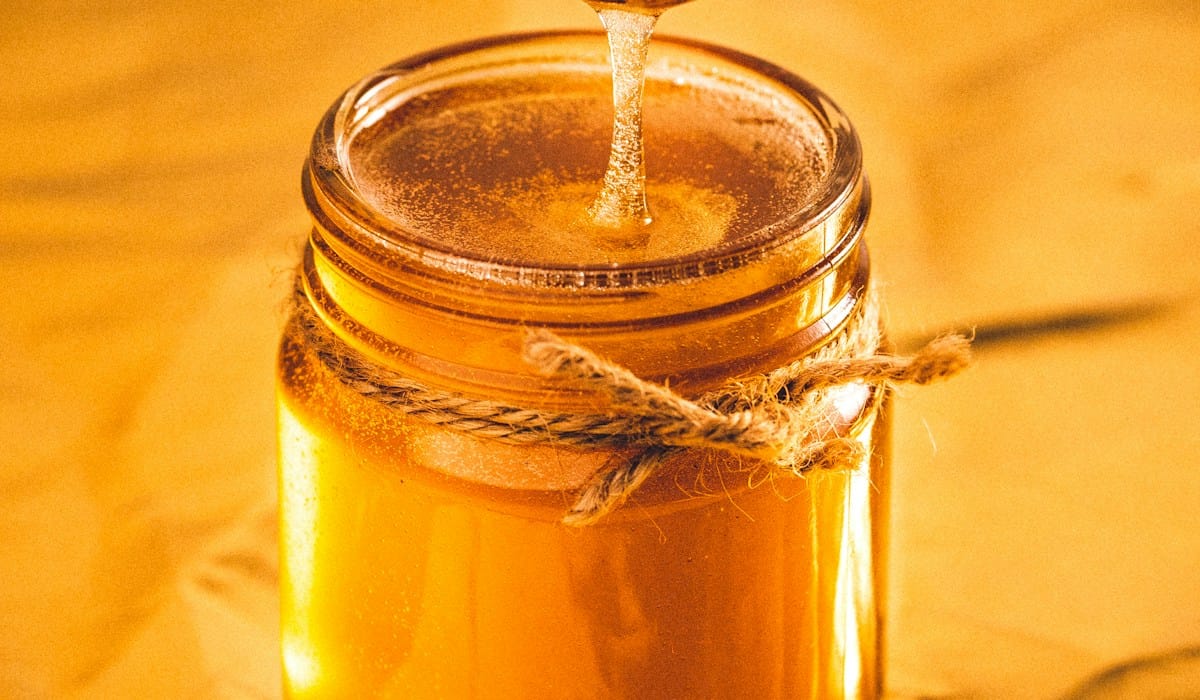
If you are expecting clover honey’s simple, sugary sweetness, your first spoonful of raw Manuka will be a shock.
True high-UMF Manuka is thick, dense, and almost creamy (often described as thixotropic). It pours like slow fudge rather than runny syrup. On the palate, it delivers:
- An intensely rich, earthy sweetness with notes of damp forest floor and wild heather.
- A distinctive, slightly medicinal or herbal mid-palate (reminiscent of eucalyptus or tea tree).
- A clean, subtly bitter, mineral finish that lingers warmly on the back of the throat.
The Apiarist’s Serving Recommendation: Don’t bake with high-grade (UMF 15+) Manuka—that’s like using a $100 bottle of vintage single-malt whiskey to make a barbecue sauce glaze. Take it straight off a wooden spoon, letting it slowly dissolve on your tongue.
6. The Real-World Buyer’s Guide: The Top 3 Authentic Manuka Brands
Understanding chemical ratings is only half the battle. When standing in a store or browsing online, you face dozens of competing brands with wildly fluctuating prices.
To help you cut through the marketing noise, we reviewed independent laboratory standards, official UMFHA license registries, and verified batch certifications to highlight the leading authentic brands on the market today. (Note: We do not accept sponsorships or paid placements—this is an independent, non-monetized quality audit).
1. Comvita Certified UMF (UMF 10+ to 20+)
UMFHA License #1019
Founded in 1974, Comvita is New Zealand’s oldest and most established commercial producer. Every single jar carries an interactive QR code on the lid that links directly to that specific batch’s independent laboratory chemical certificate.
The Real-World Drawback: Sells at a significant brand premium; packaged in BPA-free plastic rather than glass jars.
2. Steens Raw Cold-Pressed Manuka (UMF 10+ to 24+)
UMFHA License #2204
Steens uses a proprietary cold-temperature scraping technique that does not fine-filter the honey. This leaves raw bee bread, natural bee pollen, and microscopic comb crystals completely intact inside the jar.
The Real-World Drawback: Grainy, slightly crunchy crystalline texture. Beginners expecting smooth liquid syrup are often surprised by its dense crystal structure.
3. Manukora Raw MGO 850+ (UMF 20+ Equivalent)
Independently Certified
Manukora specializes in direct-to-consumer high-MGO ratings. Sourced from remote regions of the Golden Triangle in New Zealand’s East Cape, it offers some of the highest verified methylglyoxal counts per dollar.
The Real-World Drawback: Extremely thick; difficult to stir into cold liquids without gentle warming.
Wedderspoon is one of the most widely sold brands on Amazon and produces delicious, high-quality raw creamed honey. However, they use their own trademarked “KFactor” rating (which measures pollen percentage) rather than the official UMF or MGO system. If you want delicious daily table honey, it is great; but if you are seeking targeted bioactive MGO for clinical or therapeutic uses, choose a brand with verified UMF/MGO certification.
Frequently Asked Questions About Manuka Honey
Can I give Manuka honey to my 8-month-old baby?
Never. Just like any raw or processed honey, Manuka honey can harbor dormant Clostridium botulinum spores. While harmless to adults and children over 1 year, an infant’s immature digestive system can allow these spores to germinate, causing life-threatening infant botulism.
Does metal spoon damage Manuka honey?
This is a persistent internet myth. While long-term storage in reactive metal containers is bad for acidic honey, dipping a clean stainless steel spoon into your jar for 5 seconds does zero chemical damage. (Though a wooden honey dipper does look much cooler).
How should I store my Manuka jar?
Store it in a cool, dark cupboard (as detailed in our honey storage science guide) away from direct sunlight at room temperature (around 68°F / 20°C). Do NOT refrigerate it, as the cold will accelerate crystallization and make it rock-hard.
Sources & Scientific References
- Mavric, E., et al. (2008). Identification and quantification of methylglyoxal as the dominant antibacterial constituent of Manuka (Leptospermum scoparium) honeys from New Zealand. Molecular Nutrition & Food Research, 52(4), 483–489.
- Adams, C. J., et al. (2008). Isolation by HPLC and characterisation of the bioactive fraction of New Zealand manuka (Leptospermum scoparium) honey. Carbohydrate Research, 343(4), 651–659.
- Ministry for Primary Industries (MPI), New Zealand Government (2017). Mānuka Honey Science Definition: A Guide to the Scientific Definition for Mānuka Honey. MPI Technical Information Paper.
- Kato, Y., et al. (2014). Identification of a novel glycoside, leptosperin, as a chemical marker of manuka honey. Journal of Agricultural and Food Chemistry, 62(44), 10678–10683.
- Atrott, J., & Henle, T. (2009). Methylglyoxal in manuka honey—correlation with antibacterial properties. Czech Journal of Food Sciences, 27, S163–S165.
- Unique Mānuka Factor Honey Association (UMFHA). UMF Quality Standard and Testing Protocols (Leptosperin, MGO, DHA, HMF). UMFHA Technical Reference Standards.
[…] in 4 to 9 months. High-grade Manuka honey is naturally creamed for velvety […]
[…] Manuka honey—despite its high methylglyoxal (MGO) content and potent antibacterial properties—is completely […]
[…] Because this peroxide is synthesized slowly at steady sub-tissue-damaging levels (unlike the caustic 3% brown bottle from the pharmacy), it effectively dismantles bacterial biofilms without damaging healthy granulating cells. In pasteurized supermarket honey, this enzymatic motor is completely dead. (Note: In medical honeys like New Zealand Manuka, non-peroxide activity driven by methylglyoxal provides even greater stability—read our comprehensive breakdown of Manuka UMF and MGO ratings). […]
[…] lick conventional antibiotic creams, risking systemic toxicity. High-grade raw or medical-grade Manuka honey creates an osmotic barrier that draws lymph fluid outward, clears bacterial biofilms, and is 100% […]
[…] like our findings on Manuka honey’s UMF healing mechanisms, propolis stimulates keratinocyte migration, promotes collagen synthesis, and protects open […]
[…] cough trials, examine why dark pigments equal therapeutic power, compare buckwheat against medical Manuka honey, debunk the “wheat” gluten myth, and provide our clinical bedtime dosing […]
[…] and 73% of Pseudomonas aeruginosa biofilms, performing on par with pharmaceutical-grade New Zealand Manuka honey (UMF […]
[…] Medical Wound Care & Throat Ulcers: Choose high-MGO Manuka Honey (UMF 15+ / MGO 500+) for non-peroxide methylglyoxal antimicrobial […]
[…] raw Buckwheat, Sidr, or high-MGO Manuka honey provides maximal antiviral […]
[…] remarkably thermo-stable compared to delicate hydrogen peroxide enzymes. As long as you keep your Manuka honey below 75°F (24°C) in a dark cupboard, MGO concentrations remain potent for years without […]
[…] the pungent, medicinal bite of Manuka honey or the aggressive molasses-barnyard notes of dark Buckwheat honey, Acacia honey possesses the most […]
[…] To understand how UMF and MGO ratings determine medical potency, read our guide on Manuka honey UMF and MGO ratings explained. […]