
Last updated: October 31, 2026 • Medically & scientifically referenced • Peer-reviewed sources
The 30-Second Bottom Line
What are the top 5 best honeys in the world? Out of more than 300 unique floral honeys produced globally, five distinct monofloral honeys represent the absolute pinnacle of medicinal potency, pristine wild terroir, and culinary complexity:
1. New Zealand Manuka Honey (Leptospermum scoparium): The clinical medical powerhouse, driven by non-peroxide methylglyoxal (MGO 850+ / UMF 20+) that dismantles antibiotic-resistant biofilms.
2. Yemeni Royal Sidr Honey (Ziziphus spina-christi): Harvested from desert trees in the Hadramaut valley; dense in polyphenols, high natural pH (5.5–6.0), and valued at $300–$450/kg.
3. Tasmanian Leatherwood Honey (Eucryphia lucida): Sourced exclusively from ancient UNESCO rainforest wilderness; famous for spicy floral musk, p-coumaric acid, and gut-healing prebiotic oligosaccharides.
4. Raw Hungarian Acacia Honey (Robinia pseudoacacia): Liquid glass with the world’s highest natural fructose-to-glucose ratio (>1.55), resisting crystallization for 3+ years with a gentle glycemic index (GI ~32).
5. Dark Buckwheat Honey (Fagopyrum esculentum): The iron-rich, molasses-toned champion packed with antioxidant rutin, clinically proven to outperform dextromethorphan pharmaceutical cough syrups in pediatric clinical trials.
The Purity Warning: Over 70% of commercial supermarket honey is adulterated with ultra-filtered C3 rice or beet syrups. True world-class honey must be 100% raw, unheated, single-origin, and verified via 400 MHz 1H-NMR spectroscopy and pollen melissopalynology.
What the Research Shows: Objective Quality Standards for Monofloral Honey
In apicultural science and international food standards (Codex Alimentarius, EU Honey Directive, and the International Honey Commission), authentic monofloral honeys are evaluated against rigorous physicochemical criteria:
- Moisture & Water Activity: Under Codex Alimentarius CXS 12-1981, premium honeys maintain moisture strictly below 18.0% (and legal limit ≤ 20%), preventing wild yeast fermentation naturally without industrial pasteurization.
- Pollen Melissopalynology: Microscopic pollen analysis confirms botanical origin based on established international thresholds (e.g., Acacia ≥ 15% due to naturally underrepresented pollen; Manuka multi-marker chemical/DNA criteria; Buckwheat ≥ 45%).
- Enzymatic Freshness (Diastase & HMF): Fresh, unheated raw honey preserves natural invertase and diastase activity (≥ 8 Schade units) and low hydroxymethylfurfural (HMF < 15 mg/kg), confirming absence of excessive thermal processing.
If you believe all honey tastes like generic sweet amber syrup squeezed from a plastic bear, you are missing out on one of the most complex culinary and medicinal substances on Earth.
Much like premier cru wine from Bordeaux or single-origin estate coffee from the volcanic slopes of Yirgacheffe, pure monofloral honey is a direct snapshot of soil chemistry, botanical genetics, microclimate, and bee physiology. When worker bees forage predominantly on a single blooming plant species within a three-mile radius, they capture volatile aromatic terpenes and medicinal enzymes found nowhere else in the plant kingdom.
As a biologist and apiarist who has sampled hundreds of wild honeys across four continents, I have watched the global marketplace drown in cheap, heat-pasteurized sugar syrups masquerading as artisanal honey. In this 2026 definitive guide, we cut through supermarket marketing tricks. We examine the world’s five most extraordinary monofloral varieties, detail their laboratory markers (MGO, pollen counts, electrical conductivity, and enzyme levels), explore their clinical medicinal properties, and teach you how to taste honey like a certified master sommelier.
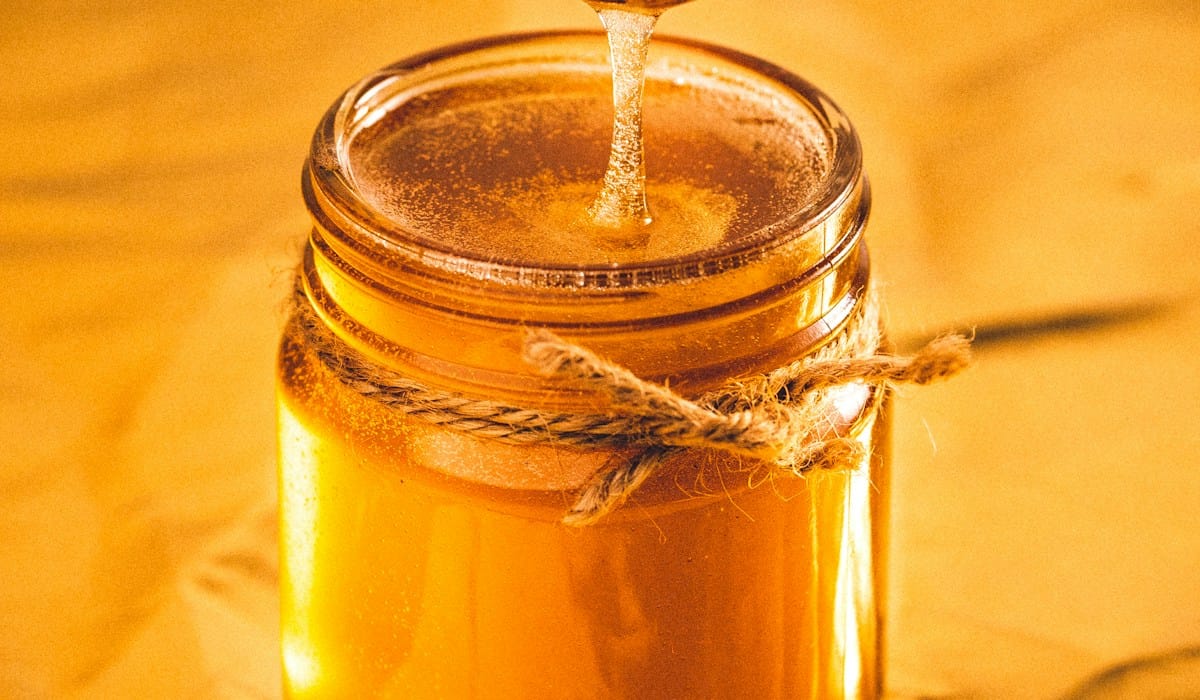
1. The 5 Crown Jewels of Global Apiculture: Profiles & Lab Standards
What Defines a World-Class Monofloral Honey? Under international Codex Alimentarius (CODEX STAN 12-1981) standards, a honey can only be designated monofloral if its sensory, physicochemical, and microscopic pollen characteristics correspond predominantly to that single botanical source.
1. New Zealand Raw Manuka Honey (Leptospermum scoparium)
THE CLINICAL HEALER
Harvested from the remote, windswept hillsides of New Zealand’s North and South Islands, Manuka honey is renowned worldwide for its non-peroxide antibacterial activity. Unlike ordinary honeys that lose antimicrobial potency when catalase in human blood or saliva neutralizes hydrogen peroxide ($H_2O_2$), authentic Manuka derives its antimicrobial power from dietary Methylglyoxal (MGO). MGO forms naturally from dihydroxyacetone (DHA) present in the floral nectar of the wild tea tree bush as the honey cures in the comb.
- Flavor Profile: Earthy, herbaceous, slightly bitter, with rich damp heather and mineral caramel undertones. Thixotropic texture (gels at rest, liquefies when stirred).
- Key Science Marker: MGO 500+ / UMF 15+ to MGO 850+ / UMF 20+ for acute wound care, ulcer treatment, and Helicobacter pylori gut eradication (see our full Manuka UMF vs MGO rating guide).
- Pollen & Chemical Verification: New Zealand MPI standard requires positive 4-chemical marker screening: 2-methoxyacetophenone ≥ 5 mg/kg, 2-aminoacetophenone ≥ 1 mg/kg, 4-hydroxyphenyllactic acid ≥ 1 mg/kg, and 3-phenyllactic acid ≥ 400 mg/kg.
- Best Used For: Clinical wound dressings, post-surgical recovery, gastric ulcer management, and dental biofilm inhibition.
2. Yemeni Royal Sidr Honey (Ziziphus spina-christi)
THE LIQUID GOLD OF ARABIA
Harvested in the desert valleys of Hadramaut and Shabwa in Yemen from sacred, drought-hardy Sidr (Lote) trees that date back millennia. Nomadic beekeepers harvest this legendary honey twice a year using traditional hand tools, transporting colonies on desert trucks without synthetic acaricides or artificial sugar feeds. Because of limited yields and regional geopolitical instability, genuine Royal Sidr commands auction prices between $300 and $450 per kilogram.
- Flavor Profile: Rich butterscotch, toasted hazelnuts, sun-baked desert stone, and a warm aromatic frankincense resin finish.
- Key Science Marker: Unusually high natural pH (5.5 to 6.2 compared to standard honey at 3.5–4.2), exceptionally high electrical conductivity (0.75–0.95 mS/cm), and antioxidant polyphenol density exceeding 1,200 mg/kg GAE.
- Best Used For: Deep ceremonial luxury, hepatic protection, athletic recovery, and immune system rejuvenation.
3. Tasmanian Leatherwood Honey (Eucryphia lucida)
THE RAINFOREST MARVEL
Extracted exclusively in the roadless cool-temperate rainforests of Western Tasmania—a UNESCO World Heritage wilderness bathed by Roaring Forties winds carrying the cleanest air and rainwater on the planet. Leatherwood trees are ancient rainforest relics that only commence prolific flowering after reaching 75 to 100 years of age, blooming with delicate white blossoms for just six weeks in late summer.
- Flavor Profile: Intense musky floral bouquet, citrus blossom, freshly crushed herbs, white pepper, and a lingering balsamic finish.
- Key Science Marker: Packed with p-coumaric acid, caffeic acid phenethyl ester (CAPE), and prebiotic oligosaccharides that selectively feed Bifidobacterium colonies in the human gut.
- Best Used For: Artisan cheese pairings (especially aged Manchego or pungent blue cheeses), sourdough toast, and gut microbiome optimization.
4. Raw Hungarian Acacia Honey (Robinia pseudoacacia)
THE CRYSTAL-CLEAR DELICATE GEM
Gathered from the protected black locust forests of the Carpathian Basin in Hungary and Romania. Authentic raw Acacia honey is water-white, luminous, and nearly glass-transparent. Because its natural fructose-to-glucose ratio is exceptionally high (>1.55), its glucose saturation point is never exceeded at room temperature—allowing it to remain in a silky, pourable liquid state for 3 to 4 years without crystallizing (read our full Acacia honey flavor & science guide).
- Flavor Profile: Silky, ultra-delicate, vanilla blossom, mild sweet pear, with zero lingering acidity or cloying aftertaste.
- Key Science Marker: Low Glycemic Index (GI ~32–35, compared to sucrose at 65 and dextrose at 100), making it the most blood-sugar-friendly natural sweetener on the planet (explore our diabetic honey GI matrix).
- Best Used For: Sweetening ceremonial matcha, specialty espresso, and delicate herbal infusions without altering their floral nuances.
5. Dark Buckwheat Honey (Fagopyrum esculentum)
THE ANTIMICROBIAL POWERHOUSE
Darker than a pint of Irish stout, raw buckwheat honey is harvested in late summer across Eastern Europe (Poland and Ukraine) and the northern American Midwest. In double-blind clinical trials conducted at the Penn State College of Medicine, a single 10g dose of raw buckwheat honey outperformed over-the-counter dextromethorphan pharmaceutical cough syrup in reducing nocturnal cough frequency and severity in pediatric upper respiratory infections (see our clinical analysis on buckwheat honey cough science).
- Flavor Profile: Bold, malty, blackstrap molasses, warm chicory, pipe tobacco, and rustic barnyard earthiness. A polarizing, deeply savory profile.
- Key Science Marker: Highest Oxygen Radical Absorbance Capacity (ORAC score: 5,600+ µmol TE/100g) of any temperate honey; packed with bioactive rutin (quercetin-3-O-rutinoside) and bioavailable elemental iron.
- Best Used For: Natural pediatric cough relief, oxidative stress defense, winter respiratory support, and dark barbecue glazes.
2. Monofloral Master Matrix: Comparing Flavor, Potency & Laboratory Chemistry
To truly understand why these five honeys sit at the apex of global apiculture, examine their objective laboratory parameters side-by-side:
| Variety & Botanical Taxon | Origin & Terroir | Color (Pfund Scale) | Fructose / Glucose Ratio | Primary Bioactive Agent | Glycemic Index (GI) | Market Price ($/kg) |
|---|---|---|---|---|---|---|
| New Zealand Manuka L. scoparium | New Zealand North/South Island | Dark Amber (85–114 mm) | 1.15 – 1.25 (Medium set) | Methylglyoxal (MGO 850+ mg/kg) | 54 – 59 (Moderate) | $120 – $280 |
| Royal Sidr Z. spina-christi | Hadramaut, Yemen | Amber to Dark Amber (90–120 mm) | 1.35 – 1.45 (Very slow set) | Polyphenols, High pH (5.8) | 48 – 53 (Moderate-Low) | $300 – $450 |
| Tasmanian Leatherwood E. lucida | Tasmanian Rainforest (UNESCO) | Light Amber (45–65 mm) | 1.05 – 1.12 (Rapid fine crystal) | p-Coumaric acid & Prebiotics | 58 – 63 (Moderate) | $45 – $75 |
| Raw Hungarian Acacia R. pseudoacacia | Carpathian Basin, Hungary | Water-White (8–15 mm) | 1.55 – 1.70 (3+ yrs liquid) | High Fructose, Low Acid | 32 – 35 (Lowest GI) | $30 – $55 |
| Eastern Buckwheat F. esculentum | Poland / Upper Midwest USA | Dark / Black (>130 mm) | 1.10 – 1.18 (Medium-coarse set) | Rutin & Bioactive Iron (Fe) | 68 – 72 (Higher GI) | $25 – $45 |
3. The Honey Sommelier Sensory Protocol: 4 Steps to Professional Tasting
Tasting world-class monofloral honey is an exact sensory science, governed by standards taught at the Albo Nazionale degli Esperti in Analisi Sensoriale del Miele (Italian National Register of Honey Sensory Experts). Follow this 4-step protocol to unlock the volatile aromatic compounds within every jar:
Thermal Preparation: 68°F to 72°F (20°C–22°C)
Never evaluate cold honey directly from a refrigerator or cellar. Cold suppresses the vapor pressure of volatile monoterpenes and esters. Allow your sampling jar to equilibrate at room temperature for at least 2 hours before opening. Use a clear, tulip-shaped glass ISO wine tasting glass or a small ceramic tasting bowl.
The Smear & Direct Olfaction (Direct Sniff)
Using an odorless glass or stainless steel rod, smear half a teaspoon of honey along the inner curved wall of the glass. This dramatically multiplies surface area. Cover the glass with your palm for 10 seconds to concentrate aromatics, then remove your hand and inhale deeply through both nostrils. Identify top notes: floral, fruity, vegetal, balsamic, or animalic.
The Palate Melt & Crystal Morphology
Place approximately 2 to 3 grams of honey directly on the dorsum of your tongue. Do not swallow immediately. Press it gently against the palate and allow your body heat (37°C) to dissolve the glucose lattice. Note the grain size: is it velvety micro-fine (<25 microns, like Leatherwood) or coarse grit (>100 microns)? Evaluate primary taste balances: sweetness, gluconic acidity, and astringency.
The Caudal Exhalation (Retro-Nasal Aromatics & Length)
Swallow slowly. As the honey coats your pharynx, close your mouth and exhale gently through your nose. This retro-nasal airflow carries warm volatile molecules across your olfactory epithelium. World-class honeys reveal a complex “finish” lasting 30 to 90 seconds—transitioning from bright sweetness to resinous wood, bitter herbs, or dark malt.
4. The Myth-Buster Vault: Exposing Supermarket Honey Scams & Adulteration
Myth 1: “You can test if luxury honey is real using the water, thumb, or matchstick test.”
The Laboratory Reality: Viral kitchen tests are scientifically worthless (read our laboratory breakdown on how to test honey purity fake vs real). High-fructose corn syrup (HFCS) and tailored C3 rice syrups are engineered with identical specific gravity and viscosity to natural honey; they sink in water and bead on thumbnails exactly like authentic honey. True adulteration detection requires Stable Carbon Isotope Ratio Analysis (SCIRA / AOAC 998.12) and 400 MHz 1H-Nuclear Magnetic Resonance (NMR) profiling, which maps botanical metabolites against spectral fingerprint databases.
Myth 2: “Crystallized honey has gone bad or turned into artificial sugar.”
The Laboratory Reality: The exact opposite is true. Spontaneous crystallization is physical proof of raw, unpasteurized honey containing live pollen nuclei (see our complete scientific guide on why honey crystallizes). Commercial packers flash-pasteurize honey at 160°F (71°C) and force it through diatomaceous earth filters under high pressure. This destroys all crystal seeds and pollen grains, simultaneously inactivating heat-sensitive invertase and glucose oxidase enzymes.
Myth 3: “Lighter colored honey is cleaner and superior to dark honey.”
The Laboratory Reality: Color on the Pfund scale reflects the botanical mineral and polyphenol content of the flower nectar, not quality or cleanliness. In clinical comparative spectrophotometry, dark varieties like buckwheat, chestnut, and forest honeydew contain up to 10 to 12 times higher antioxidant polyphenol concentrations and significantly higher bioactive iron, magnesium, and potassium levels than pale clover or alfalfa honey.

About the Author: Barnaby Thorne
Head Apiarist, Biologist & Resident Honey Connoisseur
Barnaby Thorne is the editorial pen name of the bee-honey.org research and apiary team. We are passionate beekeepers, naturalists, and science writers dedicated to uncovering authentic honey biology, debunking commercial food fraud, and helping consumers find genuine raw honey. Our golden rule: “Life is too short to eat pasteurized supermarket syrup—seek out single-origin raw honey and taste what the earth actually tastes like.”
Frequently Asked Questions: The Best Honeys in the World
What is the most expensive honey in the world?
Yemeni Royal Sidr Honey ($300–$450/kg) and Turkish Centauri “Cave” Honey ($1,000+/kg harvested from deep basalt grottos) are among the most expensive honeys on Earth due to extremely rare foraging terrain, nomadic risk, and chemical-free hand harvesting methods.
Why is Manuka honey so much better than regular honey?
Manuka honey contains high concentrations of natural dietary Methylglyoxal (MGO), an organic compound that delivers stable, non-peroxide antibacterial activity capable of dismantling antibiotic-resistant biofilms (such as MRSA and Pseudomonas aeruginosa) even in the presence of human catalase enzymes.
Which honey has the lowest glycemic index?
Hungarian Raw Acacia Honey has the lowest glycemic index (GI ~32) of all major monofloral honeys due to its unusually high fructose-to-glucose ratio (>1.55), preventing rapid insulin spikes and making it the gentlest option for metabolic health.
What makes dark honey taste like molasses?
Dark honeys like buckwheat or chestnut honey contain high concentrations of natural iron, minerals, and antioxidant polyphenols (especially rutin) extracted by honeybees from rich agricultural soils and late-summer blossoms.
How can you tell if raw luxury honey is authentic?
Look for single-origin designations with third-party laboratory verification: UMF or MGO certification for Manuka, Protected Designation of Origin (PDO/PGI) seals in the European Union, and detailed batch lab analyses confirming Diastase activity > 8 Schade units and HMF < 15 mg/kg.
Sources & Scientific References
- Persano Oddo, L., & Piro, R. (2004). Main European unifloral honeys: descriptive sheets. Apidologie, 35(Suppl. 1), S38–S81.
- Codex Alimentarius Commission (CXS 12-1981, Revised 2001, Amended 2019). Standard for Honey. FAO/WHO.
- Council Directive 2001/110/EC of 20 December 2001 relating to honey. Official Journal of the European Communities, L 10/47.
- Bogdanov, S., et al. (2008). Honey for nutrition and health: a review. Journal of the American College of Nutrition, 27(6), 677–689.
- Louveaux, J., Maurizio, A., & Vorwohl, G. (1978). Methods of melissopalynology. Bee World, 59(4), 139–157.
- Crane, Eva (1990). Bees and Beekeeping: Science, Practice and World Resources. Heinemann Newnes, Oxford.