
The Honest Guide to Real Honey & Apiary Science
Demystifying grading scales (UMF vs MGO), debunking supermarket syrup scams, and celebrating the six-legged engineers who make liquid gold possible. Evidence-based apiculture curated by resident biochemist & apiarist Barnaby Thorne.
Pollen count, C4 sugars & enzyme active testing
Biochemical Rigor
We analyze diastase activity, invertase enzymes, and methylglyoxal thresholds based on peer-reviewed biology.
Bee-First Ethics
Advocating strictly humane apiculture. Beekeepers must never strip honey reserves needed for colony winter survival.
Zero Big-Ag Funding
No corporate sponsorships from supermarket honey packers. Completely independent ratings and reviews.
Adulteration Busters
Exposing rice-syrup dilution, ultra-filtration, and fraudulent high-fructose corn syrup masquerading as raw honey.
Find Your Ideal Honey Match
Select your primary goal to see the scientifically recommended honey variety, grading threshold, and biochemical rationale.
Medical Grade New Zealand Manuka (UMF 15+ / MGO 514+)
For serious topical antibacterial activity, standard peroxide-based honey is deactivated by human body catalase. Manuka’s methylglyoxal (MGO) provides non-peroxide activity (NPA) that destroys resistant bacterial biofilms.
Flagship Honey & Apiculture Guides
Deep-dive investigations into grading authenticity, hive biochemical mechanics, and sustainable coexistence.
The Ultimate Manuka Honey Guide: What Do UMF and MGO Ratings Really Mean?
Over 80% of jars labeled “Manuka” worldwide are counterfeits or diluted. We decode the New Zealand MPI regulations, explain the conversion math between UMF and MGO, and show you exactly which grade is required for true medicinal efficacy.
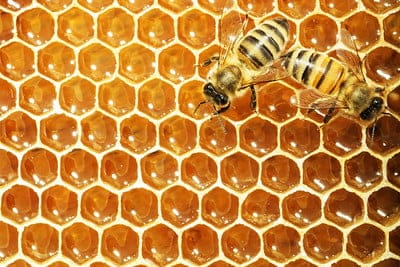
Raw Honey vs Regular Honey: 6 Critical Differences Science Confirms
Why high-heat pasteurization strips bioactive enzymes (invertase, glucose oxidase) and removes the pollen fingerprint packers use to disguise adulteration.

The Top 5 Best Honeys in the World
From Yemen’s legendary ancient Hadramaut Sidr tree nectar to Tasmania’s rainforest Leatherwood, explore the most exquisite monoculture honeys ever harvested.

How Many Bees Does It Take to Make 1kg of Honey?
The mind-boggling mathematics of the hive: 4 million floral visits, 55,000 miles flown, and the collective lifetime work of 1,152 worker bees in a single jar.
How to Keep Carpenter Bees Away Safely
Protect your eaves, cedar siding, and decking without poisoning essential native pollinators. Proven citrus repellents, natural sound deterrence, and bee traps.
The At-A-Glance Honey Authenticity Matrix
How to tell genuine raw apiary honey apart from factory-processed high-fructose syrup blends.
| Characteristic | Pure Raw Apiary Honey | Commercial Adulterated Honey |
|---|---|---|
| Crystallization Speed | Normal & Expected Crystallizes naturally within weeks or months due to natural glucose-to-water ratio. | Unnatural Stasis Stays crystal clear and liquid indefinitely because ultra-filtration removes all nucleation seeds. |
| Water Glass Dissolution | Lumps at Bottom Drops straight to the bottom of cold water as a solid clump; takes vigorous stirring to dissolve. | Instant Diffusion Begins dissolving immediately into the water due to high moisture and thin syrup additives. |
| Thumb / Viscosity Drop | Holds Shape Stays in an intact, tight droplet on your thumbnail; high surface tension and low water activity (<0.60). | Runs & Spreads Immediately runs off your finger like maple or corn syrup due to excessive moisture content (>20%). |
| Microscopic Pollen | Pollen Present Trace pollens verifiable via melissopalynology, proving floral source and country of origin. | Zero Pollen Ultra-filtered under high pressure with diatomaceous earth to erase geographical traceability. |

Frequently Asked Questions About Honey
Quick, scientifically accurate answers to the most common questions about honey purity, storage, and health benefits.
Does pure raw honey ever expire or spoil?
Pure, unadulterated honey has no expiration date. Honey found in ancient Egyptian tombs over 3,000 years old was still biologically preserved and edible.
This biological immortality is caused by three distinct factors: an extremely low water content (under 18%), low water activity (aw < 0.60), acidic pH (typically 3.4 to 6.1), and the enzyme glucose oxidase, which continuously produces tiny, antimicrobial quantities of hydrogen peroxide. Only moisture contamination from a wet spoon or humid environment can cause honey to ferment.
Why does raw honey crystallize, and how do I fix it?
Crystallization is completely natural and is actually one of the strongest proofs that your honey is raw and unheated! Honey is a supersaturated solution of glucose and fructose. Over time, glucose separates from water and forms solid crystals around tiny particles of pollen and propolis.
To return crystallized honey to liquid state without destroying its beneficial enzymes, place the glass jar in a warm water bath (below 105°F / 40°C) and stir gently. Never microwave honey, as intense heat destroys bioactive proteins within seconds.
What is the difference between Manuka UMF and MGO ratings?
MGO (Methylglyoxal) measures the exact milligrams of methylglyoxal compound per kilogram of honey (e.g., MGO 400+ = 400 mg/kg).
UMF (Unique Manuka Factor) is a comprehensive quality trademark owned by the UMFHA in New Zealand. UMF not only tests for MGO, but also verifies Leptosperin (verifying the honey comes from the wild Leptospermum scoparium bush) and DHA (dihydroxyacetone). For medicinal grade antibacterial benefits, choose a minimum of UMF 10+ or MGO 263+.
Why is honey strictly prohibited for infants under 12 months?
Honey should never be given to infants under one year old due to the risk of infant botulism. Honey can occasionally contain harmless dormant spores of Clostridium botulinum bacteria found in natural soil and dust.
While an adult or older child’s developed intestinal microflora easily destroys these spores, an infant’s immature digestive system allows the spores to germinate and produce dangerous neurotoxins.
Is supermarket honey as healthy as raw beekeeper honey?
Generally no. Standard supermarket “teddy bear” honey is heated to high temperatures (pasteurized above 145°F / 63°C) and ultra-filtered under pressure.
This process turns honey into a shelf-stable clear liquid, but it destroys heat-sensitive enzymes (invertase, diastase, glucose oxidase) and removes all pollen grains. Furthermore, international investigations regularly find cheap supermarket honey cut with rice, beet, or high-fructose corn syrups.