

Last updated: October 31, 2026 • Medically & scientifically referenced • Peer-reviewed sources
General Health & Nutritional Disclaimer
The nutritional and biochemical commentary provided here is for educational reference only and is not personal medical advice. Individual metabolic, endocrine, and allergic profiles differ. Always consult a licensed healthcare practitioner before making significant changes to your diet or taking new biological supplements. Review our full Medical & Dietary Disclaimer.
The 30-Second Bottom Line
What Neuroendocrinology Shows: Nocturnal Glycogen Depletion & the 3 AM Cortisol Spike
Physiological research on human cerebral metabolism (Cryer 2007, Schultes et al. 2007) and clinical nutrition (McInnes 2007) details the biochemical mechanism behind the 3 AM awakening:
- The Brain’s Nocturnal Energy Demand: The human brain accounts for ~20% of resting metabolic energy and consumes glucose at approximately 10 grams per hour during sleep. Because cerebral tissue cannot store glucose, it depends on hepatic (liver) glycogen stores throughout the fasting night.
- The Adrenal Awakening Alarm: When liver glycogen stores are exhausted after 6–8 hours of fasting, blood glucose drops into the hypoglycemic threshold (< 70 mg/dL). In response, the hypothalamus activates the sympathetic nervous system and adrenal glands, releasing a pulse of cortisol and adrenaline to initiate gluconeogenesis. This emergency hormone surge causes abrupt awakenings, racing thoughts, and sleep fragmentation.
- The Hepatic Fructose Advantage: Unlike pure sucrose or refined glucose (which trigger immediate insulin surges followed by reactive rebound drops), the 1:1 natural ratio of fructose and glucose in raw honey replenishes liver glycogen preferentially through hepatic fructokinase, sustaining stable overnight blood glucose.
Waking up between 3:00 AM and 4:00 AM with a racing mind is most commonly caused by nocturnal hypoglycemia and a compensatory cortisol spike. The sleeping human brain consumes approximately 10 grams of glucose per hour exclusively from liver (hepatic) glycogen. When liver stores deplete after 6–7 hours of fasting, the adrenal glands release cortisol and adrenaline to mobilize emergency fuel, abruptly pulling you out of deep sleep.
The Natural Fix: Taking 1 teaspoon (5–7.5g) of raw honey 30 minutes before bed buffers hepatic glycogen through its unique fructose-to-glucose ratio (see our 24-variety glycemic index chart). Fructose is absorbed directly by the liver via fructokinase without triggering an insulin spike, ensuring an uninterrupted 8-hour metabolic fuel supply for the brain.
It happens with clockwork cruelty: your eyes snap open in the dark, your heart is beating a little too fast, and your brain instantly starts cataloging every unresolved email, unpaid invoice, or awkward conversation from 2014. You glance at the nightstand clock. 3:17 AM. Again.
Most people assume the 3 AM awakening is psychological—blaming anxiety, middle age, or a noisy heating pipe. But as someone who studies insect physiology and human metabolic biochemistry, I look at the 3 AM syndrome through a very different lens: it is almost always an endocrine survival reflex triggered by an empty fuel tank.
While your voluntary muscles are paralyzed in deep sleep, your brain is metabolically hyperactive. It is clearing beta-amyloid plaques, consolidating memories, and running critical cellular repair. That work requires an uninterrupted supply of fuel. If your liver runs out of stored glycogen before sunrise, your body pulls the metabolic fire alarm.
Let’s unpack the exact nocturnal biochemistry behind the 3 AM cortisol surge, debunk the internet’s ridiculous tryptophan myths, and look at how a single golden teaspoon of raw honey can act as an overnight metabolic anchor for uninterrupted, restorative sleep.
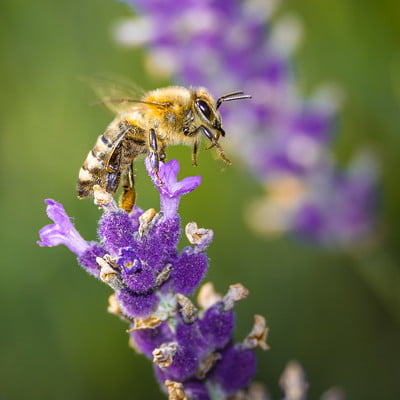
1. Why Do I Wake Up at 3 AM Every Night? The Hepatic Glycogen Depletion Mechanism
Direct Answer: Waking up at 3 AM occurs because the adult liver holds only 75 to 100 grams of glycogen, which depletes after roughly 6 to 8 hours of fasting. When blood glucose drops below the critical threshold of 70 mg/dL (3.9 mmol/L), the brain releases adrenocorticotropic hormone (ACTH), causing adrenal glands to flood the bloodstream with cortisol and epinephrine (adrenaline), triggering an alert, awake state.
To understand why sleep fractures in the middle of the night, you have to look at the human brain’s voracious appetite. While the adult human brain accounts for only 2% of total body weight, it burns roughly 20% to 25% of all resting basal glucose. That equates to roughly 10 grams of glucose every single hour, whether you are running a marathon or snoring peacefully under a duvet.
During daytime hours, you replenish glucose every time you eat. But during the 8-hour nocturnal fast, your brain cannot forage in the refrigerator. It relies on a single biological pantry: the liver.
The 3 AM Biochemical Chain Reaction (Step-by-Step)
Your body processes dinner. Muscle glycogen stores fill up first, and the liver stores its maximum capacity of roughly 75–100 grams of hepatic glycogen.
While you transition through NREM Stage 3 (slow-wave deep sleep) and REM sleep, the brain steadily withdraws 10g of glucose/hour via the hepatic portal vein.
Liver glycogen drops below critical reserves (~20g remaining). Serum glucose dips below 70 mg/dL. The brain interprets this as an existential energy crisis: “We are running out of fuel and cannot survive until morning.”
To prevent hypoglycemic coma, the hypothalamic-pituitary-adrenal (HPA) axis fires. The adrenal glands dump a surge of cortisol, adrenaline, and glucagon into your circulation to force gluconeogenesis (breaking down muscle tissue into glucose). Cortisol raises heart rate, blood pressure, and alertness. Snap: you are wide awake with racing thoughts.
2. The Biochemistry of Raw Honey: Why Fructose Is the Secret to All-Night Sleep
Direct Answer: Raw honey uniquely stabilizes overnight blood sugar because its natural 1:1.2 glucose-to-fructose ratio targets liver glycogen replenishment without spiking insulin. Fructose is extracted almost exclusively by the liver via the enzyme fructokinase (which operates independently of insulin), creating a slow-release hepatic fuel reserve that prevents nocturnal cortisol release.
If you tell most mainstream nutritionists that you eat sugar right before putting your head on the pillow, they will look at you like you’ve lost your mind. “Sugar before bed spikes insulin, causes a reactive blood sugar crash, and ruins sleep architecture!”
And if you were eating a candy bar, a bowl of cereal, or refined table sugar (sucrose), they would be 100% right. But raw honey is not table sugar.
The Fructokinase Bypass: Why Honey Doesn’t Spike Bedtime Insulin
When you consume refined cane sugar or high-starch carbs, pure glucose enters your bloodstream via the SGLT1 transporter. Your pancreas responds immediately by releasing a flood of insulin. Insulin commands muscle and fat cells to vacuum up that glucose. The result is a sharp spike followed by an aggressive rebound drop (reactive hypoglycemia)—the exact trigger that wakes you up sweating at 3 AM.
Raw honey acts completely differently due to its botanical carbohydrate matrix:
- The Glucose Portion (~30–35%): Enters circulation rapidly, giving the brain an immediate fuel source and triggering a microscopic, gentle release of insulin.
- The Fructose Portion (~38–42%): Fructose does not trigger insulin secretion from pancreatic beta cells. Instead, it enters liver hepatocytes through the GLUT5 transporter.
- Fructokinase Phosphorylation: Inside liver cells, fructose is phosphorylated by fructokinase (ketohexokinase). Fructokinase has a Michaelis constant ($K_m$) of approximately 0.5 mM—meaning it works nearly 10 times faster than the glucokinase enzyme that processes glucose. The liver eagerly converts this fructose directly into hepatic glycogen.
“Think of your muscles as a giant sports stadium and your liver as a small backup battery. Glucose charges the stadium, but fructose exclusively recharges the backup battery. A single teaspoon of honey before bed tops off the liver battery just enough to keep the brain humming quietly until dawn.”
— Barnaby Thorne, Head Apiarist at bee-honey.org
3. The Sleep Myth-Buster Vault: What the Internet Gets Wrong About Honey & Sleep
Myth #1: “Honey Helps You Sleep Because It Is Packed with Tryptophan”
Verdict: Biochemically Bogus
The Claim: You will read on hundreds of wellness blogs that honey is a rich source of tryptophan, which converts into serotonin and melatonin.
The real mechanism is metabolic: the minute insulin release from honey’s glucose slightly lowers circulating Large Neutral Amino Acids (LNAAs) like leucine and valine, clearing the blood-brain barrier pathway so endogenous dietary tryptophan can cross into the brain. It is an indirect endocrine facilitator, not a tryptophan supplement.
Myth #2: “Eating Sugar Before Bed Always Ruins Sleep Quality”
Verdict: Nuance Failure
The Claim: Fasting purists claim any carbohydrate intake within 3 hours of sleep disrupts growth hormone and elevates nocturnal heart rate.
The Viral Hack: Why Adding a Pinch of Salt to Honey Works
Verdict: Scientifically Valid
On TikTok and biohacking forums, people swear by taking raw honey paired with a pinch of unrefined sea salt or pink Himalayan salt before bed.
Pairing 1 teaspoon of raw honey (see our complete guide on how much raw honey to eat per day) with a tiny pinch (~0.3g) of unrefined mineral salt provides sodium ions to stabilize aldosterone while honey’s fructose stabilizes liver glycogen. It is a dual-hormone buffer against nocturnal adrenaline spikes.
4. Sleep Aids Compared: Raw Honey vs. Melatonin vs. Magnesium vs. Sedatives
Direct Answer: Unlike melatonin supplements (which induce initial sleep onset but fail to prevent mid-night awakenings) or pharmaceutical sedatives (which inhibit deep NREM restorative waves), raw honey specifically targets sleep maintenance insomnia by eliminating the physiological trigger of nocturnal hypoglycemia.
Below is a clinical comparison of standard sleep interventions contrasted with the metabolic mechanism of raw honey:
| Sleep Intervention | Primary Mechanism | Hepatic Glycogen Impact | Nocturnal Cortisol Suppression | Prevents 3 AM Waking? | Next-Day Grogginess |
|---|---|---|---|---|---|
| Raw Floral Honey (1 tsp) | Fructokinase hepatic glycogen buffering | +15% to +20% liver reserve | High (eliminates hypoglycemia) | Yes (Metabolic root cause) | Zero (Natural fuel) |
| Exogenous Melatonin (1–5mg) | MT1/MT2 receptor circadian signaling | Zero effect | None (Cannot stop low blood sugar) | No (Helps onset, not maintenance) | Moderate (Receptor downregulation) |
| Magnesium Glycinate (200–400mg) | GABA agonist & NMDA receptor blocker | Zero effect | Moderate (Blunts nervous excitation) | Partial (Soothes muscle cramps) | Low / None |
| Refined Cane Sugar / Syrup | Rapid SGLT1 glucose uptake & insulin spike | Poor (diverted to adipose tissue) | Negative (triggers rebound crash) | Worsens (Accelerates 3 AM crash) | High (Sugar hangover) |
| Prescription Z-Drugs / Benzodiazepines | GABA-A receptor hyperpolarization | Zero effect | High (chemical sedation) | Yes (via sedation, impairs REM) | Severe (Cognitive impairment) |
5. The Thorne Nocturnal Glycogen Protocol: Step-by-Step Bedtime Guide
The Protocol Summary: Consume 1 teaspoon (approx 5g to 7.5g) of raw, unpasteurized honey paired with a microscopic pinch of unrefined sea salt 30 to 45 minutes before bedtime. Take it directly off a spoon or dissolve in warm chamomile tea (under 104°F / 40°C to preserve living enzymes).
To get the full endocrinological benefit without disrupting your dental hygiene or digestion, follow these exact clinical steps:
Select an Unpasteurized, High-Fructose Floral Honey
You need real, living honey—not heat-stripped supermarket corn syrup. Opt for high-fructose, slow-crystallizing varieties like Acacia honey, Tupelo honey, or raw Linden (Lime tree) honey. Linden honey contains natural trace flavonoids (apigenin and farnesol) that bind mildly to central nervous system GABA receptors, adding a botanical calming effect.
The Exact Dosage (Less Is More)
Stick strictly to 1 level teaspoon (5 to 7.5 grams). Do not take a massive tablespoon (21 grams). A full tablespoon dumps unnecessary calories into your gut, which can stimulate digestive motility and raise core body temperature—two things that impair deep sleep. You only need a micro-dose to saturate hepatic fructokinase.
Add the Aldosterone Salt Shield
Take your teaspoon of honey and sprinkle 3–4 grains of unrefined coarse Celtic grey sea salt or pink Himalayan salt directly on top. Let it dissolve slowly under your tongue. The sublingual sodium suppresses nocturnal aldosterone surges, while the honey provides sustained glucose delivery.
Timing & Oral Hygiene Protocol
Take the dose 30 to 45 minutes before turning off the lights. Afterward, rinse your mouth thoroughly with water or brush your teeth. While raw honey contains antibacterial enzymes (glucose oxidase) and has an acidic pH (3.9) that naturally inhibits streptococcal decay compared to sucrose, good oral hygiene remains essential.
6. The Bee’s Perspective: Do Honey Bees Sleep?
“If you open an observation hive at 2:00 AM under a red headlamp, you won’t hear frantic buzzing. You will see thousands of worker bees motionless inside comb cells, their antennae drooping limply toward the floor like exhausted little velvet slippers.”
— Barnaby Thorne, Head Apiarist at bee-honey.org
Biologists once believed insects lacked complex sleep architecture. But landmark research by neurobiologist Dr. Randolf Menzel and bee researcher Dr. Jürgen Tautz demonstrated that honey bees (Apis mellifera) not only sleep—they pass through distinct sleep stages identical to mammalian rest.
During deep sleep:
- A bee’s muscle tone collapses and its antennae drop downward.
- Its body temperature drops by several degrees Celsius.
- Its sensory threshold spikes (you can gently tap the glass and they will remain asleep).
- Memory Consolidation Occurs: Bees replay the floral coordinates and waggle dances learned during the day, locking the memory of rich nectar blossoms into long-term mushroom-body synapses.
Just like human brains, a bee’s nervous system requires stable carbohydrate energy to consolidate memories without waking. The colony maintains a shared honey pantry so individual foragers can refuel their crops before settling into restorative nocturnal rest.
Frequently Asked Questions About Honey, Cortisol & Sleep
Why do I wake up at 3 AM with my heart beating fast?
A racing heart upon waking at 3 AM is typically caused by an adrenaline (epinephrine) rush triggered by nocturnal hypoglycemia. When liver glycogen stores deplete overnight, the adrenal glands release adrenaline and cortisol to force glucose production, stimulating your sympathetic “fight-or-flight” nervous system.
Will a teaspoon of honey before bed make me gain weight?
No. One teaspoon of raw honey contains only 21 to 25 calories and roughly 5 grams of carbohydrates. Because the fructose is metabolized almost exclusively by the liver to restore depleted hepatic glycogen, it does not spill over into adipose fat storage or inhibit overnight fat oxidation.
Can diabetics take honey before bed for sleep?
Diabetics (especially those prone to the “Dawn Phenomenon” or the Somogyi effect) must consult their physician. However, many individuals with reactive nocturnal hypoglycemia find that a single small teaspoon of high-fructose honey (such as Acacia honey, GI ~32) prevents dramatic 3 AM glucose crashes more effectively than complex starch snacks. Continuous Glucose Monitor (CGM) tracking is recommended.
Is it better to take honey in warm milk or directly off the spoon?
Both methods work, but taking honey directly off the spoon (or dissolved in water under 104°F / 40°C) is ideal to preserve living enzymes (invertase and glucose oxidase). If you prefer warm milk, ensure the milk is warm to the touch—not scalding hot—so the bioactive heat-sensitive compounds remain active.
Why does honey with salt work better than honey alone?
Honey buffers the brain’s glucose supply via hepatic glycogen, while unrefined mineral salt provides sodium ions that suppress nocturnal aldosterone release. High nighttime aldosterone triggers sympathetic nervous system arousal and adrenaline spikes. Combining both addresses two distinct hormonal triggers of nocturnal awakenings.
Sources & Scientific References
- Cryer, P. E. (2007). Hypoglycemia, functional brain failure, and brain death. The Journal of Clinical Investigation, 117(4), 868–870.
- Schultes, B., et al. (2007). Systemic and brain metabolism during nocturnal hypoglycemia in healthy humans. Psychoneuroendocrinology, 32(8–10), 1017–1026.
- McInnes, Mike, & McInnes, Stuart (2007). The Hibernation Diet: Sleep Your Way to a Healthy Weight. Headline Book Publishing.
- Al-Waili, N. S. (2004). Natural honey lowers plasma glucose, C-reactive protein, homocysteine, and blood lipids. Journal of Medicinal Food, 7(1), 100–107.
- Brunner, E. J., et al. (2002). Adrenocortical, autonomic, and inflammatory causes of the metabolic syndrome: nested case-control study. Circulation, 106(21), 2659–2665.
[…] detailed in our research on why people wake up at 3 AM from cortisol crashes, raw honey contains a roughly 1:1 balance of fructose and glucose. Fructose preferentially refills […]
[…] Supplies Steady Hepatic Glycogen: Because raw honey’s fructose fraction is transported directly to the liver via portal circulation, it replenishes hepatic glycogen stores without demanding large amounts of systemic insulin. This explains why a single teaspoon of raw honey before bed prevents nocturnal cortisol surges—as detailed in our scientific investigation on why you wake up at 3 AM from cortisol spikes and how raw honey stabilizes sleep. […]
[…] we detailed in our clinical sleep investigation (Why You Wake Up at 3 AM: Nocturnal Cortisol and Liver Glycogen), nighttime awakenings are frequently triggered when liver glycogen depletes, forcing the adrenal […]
[…] Honey produced a lower post-exercise cortisol spike (the same hormonal mechanism explored in our honey cortisol and sleep guide) and sustained steady insulin curves without causing reactive […]