

Last updated: October 31, 2026 • Medically & scientifically referenced • Peer-reviewed sources
General Health & Nutritional Disclaimer
The nutritional and biochemical commentary provided here is for educational reference only and is not personal medical advice. Individual metabolic, endocrine, and allergic profiles differ. Always consult a licensed healthcare practitioner before making significant changes to your diet or taking new biological supplements. Review our full Medical & Dietary Disclaimer.
The 30-Second Bottom Line
No, raw honey and cinnamon do not magically “melt” subcutaneous or visceral belly fat on contact. Any internet claim that drinking warm water with honey and cinnamon will burn 5 pounds of fat overnight without dietary caloric control is physiological fantasy.
What Clinical Science Actually Proves: While the mixture is not a thermogenic miracle, its bioactive compounds—specifically cinnamaldehyde from cinnamon and the 1:1 fructose-to-glucose ratio in raw honey—exert measurable metabolic benefits: they stimulate GLUT4 receptor translocation, increase cellular insulin sensitivity, stabilize postprandial blood glucose, and replenish hepatic glycogen to blunt midnight cortisol spikes.
The Critical Toxin Warning: Never use common supermarket Cassia cinnamon in daily high doses; it contains dangerously high levels of coumarin (a potent hepatotoxin). You must exclusively use true Ceylon cinnamon (Cinnamomum verum).
If you have spent more than ten minutes on social media wellness feeds over the past five years, you have almost certainly encountered the “Miracle Morning Elixir”: a steaming mug of hot water, a spoonful of brown powder, and a generous dollop of honey, accompanied by captions promising effortless fat incineration while you sleep.
As a field biologist and apiarist who spends his life examining the biochemistry of hive products, I find these viral claims frustratingly half-true. On one side, lifestyle influencers peddle pseudoscientific fantasies about honey “dissolving fat cells.” On the other side, orthodox nutritional cynics dismiss the entire pairing as pure sugar and kitchen spice.
The reality lies squarely in the biochemistry of human metabolic regulation. When formulated with the correct botanical species and unpasteurized raw honey, this ancient combination interacts directly with insulin signaling pathways, carbohydrate transporters, and circadian liver glycogen depletion.
In this definitive guide, we will unpack what clinical human trials actually prove about fat oxidation, explore the cellular mechanics of cinnamaldehyde and fructose absorption, establish the mandatory Ceylon vs. Cassia safety rules, and provide the exact evidence-based kitchen preparation protocol.
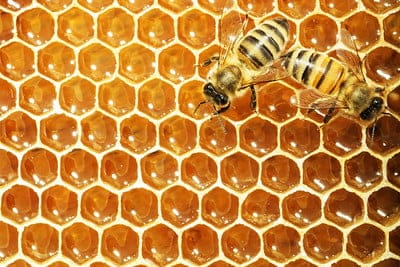
What the Clinical Research Shows: Insulin Sensitivity & Fat Metabolism Reality
Peer-reviewed human metabolic trials clarify the real physiological impact of cinnamon and honey on blood sugar, insulin, and body composition:
- Insulin Sensitizing Action (Khan et al., 2003): Landmark clinical trials published in Diabetes Care demonstrated that 1g to 6g of daily cinnamon intake significantly reduces fasting serum glucose (by 18–29%) and improves triglyceride and LDL profiles in subjects with impaired insulin sensitivity.
- The Fat-Loss Reality (Mousavi et al., 2020): A systematic review and meta-analysis of 12 randomized controlled trials confirmed that while cinnamon supplementation produces modest, statistically significant reductions in body weight and BMI, it does not bypass the laws of thermodynamics. Honey and cinnamon cannot “burn fat” on their own without an overall caloric deficit.
- Honey vs. Refined Sugar (Al-Waili, 2004): Clinical evaluations show that raw honey elicits a significantly lower glycemic and insulinemic response than equal calories of pure sucrose or dextrose, while providing antioxidant flavonoids.
- Crucial Coumarin Safety Warning (EFSA): Common supermarket Cassia cinnamon contains up to 1% coumarin (2,000–7,000 mg/kg), a hepatotoxic compound with a strict European Food Safety Authority daily threshold (0.1 mg/kg body weight). For daily consumption, only authentic Ceylon cinnamon (Cinnamomum verum), which contains virtually undetectable coumarin (<50 mg/kg), is safe for liver health.
1. The 3 Biological Mechanisms: How Honey & Cinnamon Actually Affect Metabolism
Honey and cinnamon influence body composition indirectly by improving glycemic regulation, insulin sensitivity, and nocturnal stress hormone blunting—not by thermogenic fat melting. When blood glucose remains stable and insulin spikes are minimized, the body spends more time in lipolytic (fat-burning) metabolic windows.
GLUT4 Glucose Translocation
Cinnamon’s primary active constituent, cinnamaldehyde, acts as an insulin mimetic. It activates intracellular signaling cascades (specifically phosphatidylinositol 3-kinase), stimulating GLUT4 glucose transporters to migrate to cell membranes in skeletal muscle. This pulls glucose out of the bloodstream without demanding heavy pancreatic insulin surges.
The Hepatic Glycogen Buffer
As detailed in our research on why people wake up at 3 AM from cortisol crashes, raw honey contains a roughly 1:1 balance of fructose and glucose. Fructose preferentially refills hepatic (liver) glycogen stores. When the liver has adequate fuel overnight, the brain does not trigger emergency adrenaline and cortisol release—hormones notorious for prompting visceral fat retention.
Alpha-Glucosidase Inhibition
Cinnamon polyphenols inhibit intestinal digestive enzymes, notably pancreatic alpha-amylase and intestinal alpha-glucosidase. This significantly slows the hydrolysis of complex dietary carbohydrates into bloodstream glucose, flattening the post-meal glycemic curve (see our honey glycemic index guide).
2. The Critical Safety Trap: Ceylon vs. Cassia Cinnamon
⚠️ Severe Liver Warning: 90% of supermarket cinnamon is Cassia cinnamon (Cinnamomum cassia), which contains up to 1% coumarin—a compound regulated by the European Food Safety Authority (EFSA) due to proven hepatotoxicity and kidney damage with daily usage. True Ceylon cinnamon (Cinnamomum verum) contains less than 0.004% coumarin (250 times less).
If you consume a teaspoon of regular Cassia cinnamon daily as part of a “morning wellness routine,” you will exceed the Tolerable Daily Intake (TDI) of coumarin within 48 hours. Here is how to distinguish them:
| Characteristic | Ceylon Cinnamon (True Cinnamon) | Cassia Cinnamon (Supermarket Common) |
|---|---|---|
| Botanical Species | Cinnamomum verum / zeylanicum | Cinnamomum cassia / aromaticum |
| Coumarin Content | 0.004% (Trace / Non-toxic) | Up to 1.00% (High risk of liver injury) |
| Physical Stick Structure | Multiple paper-thin, crumbly layers rolled like a cigar | Thick, hard, hollow single scroll bark; difficult to grind |
| Flavor & Aroma | Subtle, sweet, complex, delicate citrus notes | Pungent, spicy, harsh, overpowering burn |
| Safety for Daily Use | ✅ 100% Safe for daily long-term use | ❌ Toxic in cumulative daily doses |
3. The Kitchen Counter Protocol: Preparation & Temperature Science
The most common mistake people make when preparing this drink is pouring boiling water directly over raw honey. Honey contains heat-labile enzymes—most notably diastase, invertase, and glucose oxidase. Heating raw honey above 104°F (40°C) denatures these proteins, reducing active honey to basic inverted sugar syrup (read our guide on raw honey vs regular processed honey).
The 3-Step Bioactive Infusion Method:
- Step 1 (Extract the Cinnamon): Add 1/2 teaspoon of certified organic Ceylon cinnamon powder to 8 ounces (240 ml) of freshly boiled water. Stir thoroughly and allow it to steep for 10 minutes. The hot water extracts the water-soluble polyphenol polymers.
- Step 2 (The Temperature Drop): Let the infusion cool down until it is lukewarm—comfortably below 104°F (40°C). If you cannot hold the side of the mug comfortably against your wrist, it is still too hot for honey.
- Step 3 (Add Unheated Raw Honey): Stir in 1 teaspoon of genuine unheated raw wildflower or acacia honey until dissolved. Drink half before bed to support liver glycogen, and half upon waking.
4. The Myth-Buster Vault: Viral Claims vs. Clinical Facts
Myth: “Honey and cinnamon burns 5 lbs of belly fat weekly without diet changes.”
The Reality: No ingestible substance violates the second law of thermodynamics. Fat loss requires a sustained systemic caloric deficit. While cinnamon enhances glucose clearance into muscle tissue and honey blunts midnight hunger, they do not increase basal metabolic rate enough to cause noticeable weight loss on their own.
Myth: “Any cinnamon from the supermarket spice aisle works the same.”
The Reality: Inexpensive Cassia cinnamon contains toxic amounts of coumarin. Consuming it daily in medicinal teaspoon doses can cause serum liver enzyme elevations (ALT/AST). Always look for “Ceylon Cinnamon” or Cinnamomum verum on the label.
Myth: “Pouring boiling water over the mixture boosts its medicinal power.”
The Reality: Boiling water thermal-denatures the bee-derived enzymes (invertase, glucose oxidase) in raw honey within 60 seconds, destroying its prebiotic and antibacterial integrity. Always steep cinnamon first and cool to lukewarm before adding honey.

Written by Barnaby Thorne
Head Apiarist & Biologist at Bee & Honey. Obsessed with honeybee biochemistry, reverent of evolutionary biology, and relentlessly allergic to wellness industry nonsense.
Sources & Scientific References
- Khan, A., et al. (2003). Cinnamon improves glucose and lipids of people with type 2 diabetes. Diabetes Care, 26(12), 3215–3218.
- Mousavi, S. M., et al. (2020). Cinnamon supplementation on obesity measures: A systematic review and meta-analysis of randomized controlled trials. Clinical Nutrition ESPEN, 36, 129–137.
- Al-Waili, N. S. (2004). Natural honey lowers plasma glucose, C-reactive protein, homocysteine, and blood lipids in healthy, diabetic, and hyperlipidemic subjects. Journal of Medicinal Food, 7(1), 100–107.
- European Food Safety Authority (EFSA) (2008). Coumarin in flavourings and other food ingredients with flavouring properties. EFSA Journal, 793, 1–15.
- Ballali, S., & Lanciai, F. (2012). Functional food and diabetes: A review on cinnamon and honey. International Journal of Food Sciences and Nutrition.
- Wang, Y. H., et al. (2013). Cassia cinnamon as a source of coumarin in cinnamon-flavored food products in the United States. Journal of Agricultural and Food Chemistry, 61(18), 4470–4476.